• Like
    Great
    2
    0 Reacties 0 Deelde 287 Gezien
  • Like
    Great
    2
    0 Reacties 0 Deelde 279 Gezien
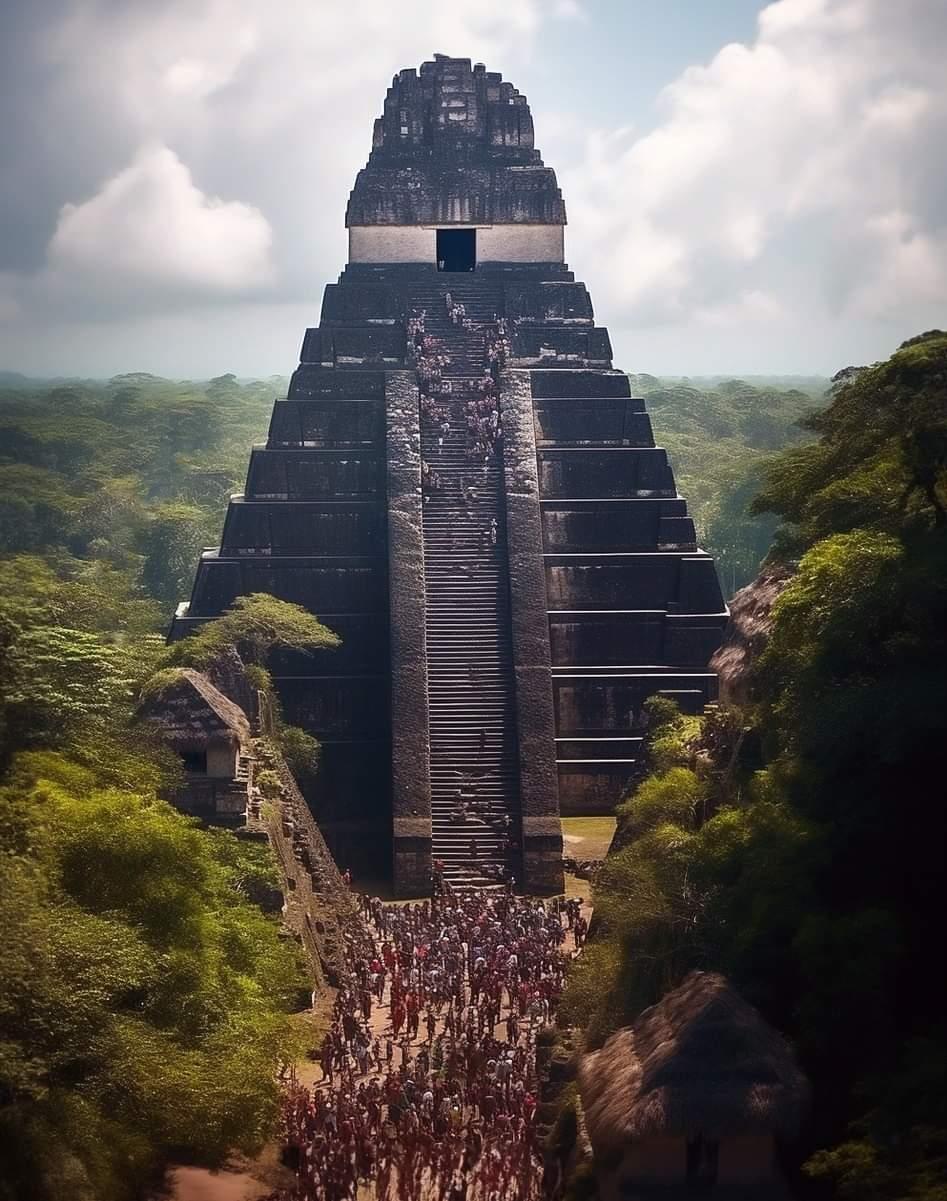
  • Tikal, the sprawling archaeological wonder nestled in Guatemala, boasts the magnificent Temple I, also known as the Temple of the Great Jaguar. Surrounded by a lush rainforest, this grand pyramid stands as a testament to the Maya people's advanced architectural prowess and profound spiritual connection. Serving dual roles as a burial site for eminent leaders and a hub for sacred rituals, it embodies the essence of Maya civilization. The unanswered questions shrouding its corridors hint at the untold tales and enigmatic wisdom awaiting discovery, inviting us to unravel the mysteries encapsulated within its ancient stones.
    Tikal, the sprawling archaeological wonder nestled in Guatemala, boasts the magnificent Temple I, also known as the Temple of the Great Jaguar. Surrounded by a lush rainforest, this grand pyramid stands as a testament to the Maya people's advanced architectural prowess and profound spiritual connection. Serving dual roles as a burial site for eminent leaders and a hub for sacred rituals, it embodies the essence of Maya civilization. The unanswered questions shrouding its corridors hint at the untold tales and enigmatic wisdom awaiting discovery, inviting us to unravel the mysteries encapsulated within its ancient stones.
    Great
    1
    0 Reacties 0 Deelde 1K Gezien
  • 0 Reacties 0 Deelde 723 Gezien
  • #spreukenvandedag
    #spreukenvandedag
    0 Reacties 0 Deelde 361 Gezien
  • #quotesoftheday
    #quotesoftheday
    0 Reacties 0 Deelde 329 Gezien
  • #RG
    #RG
    0 Reacties 0 Deelde 264 Gezien
  • 0 Reacties 0 Deelde 293 Gezien
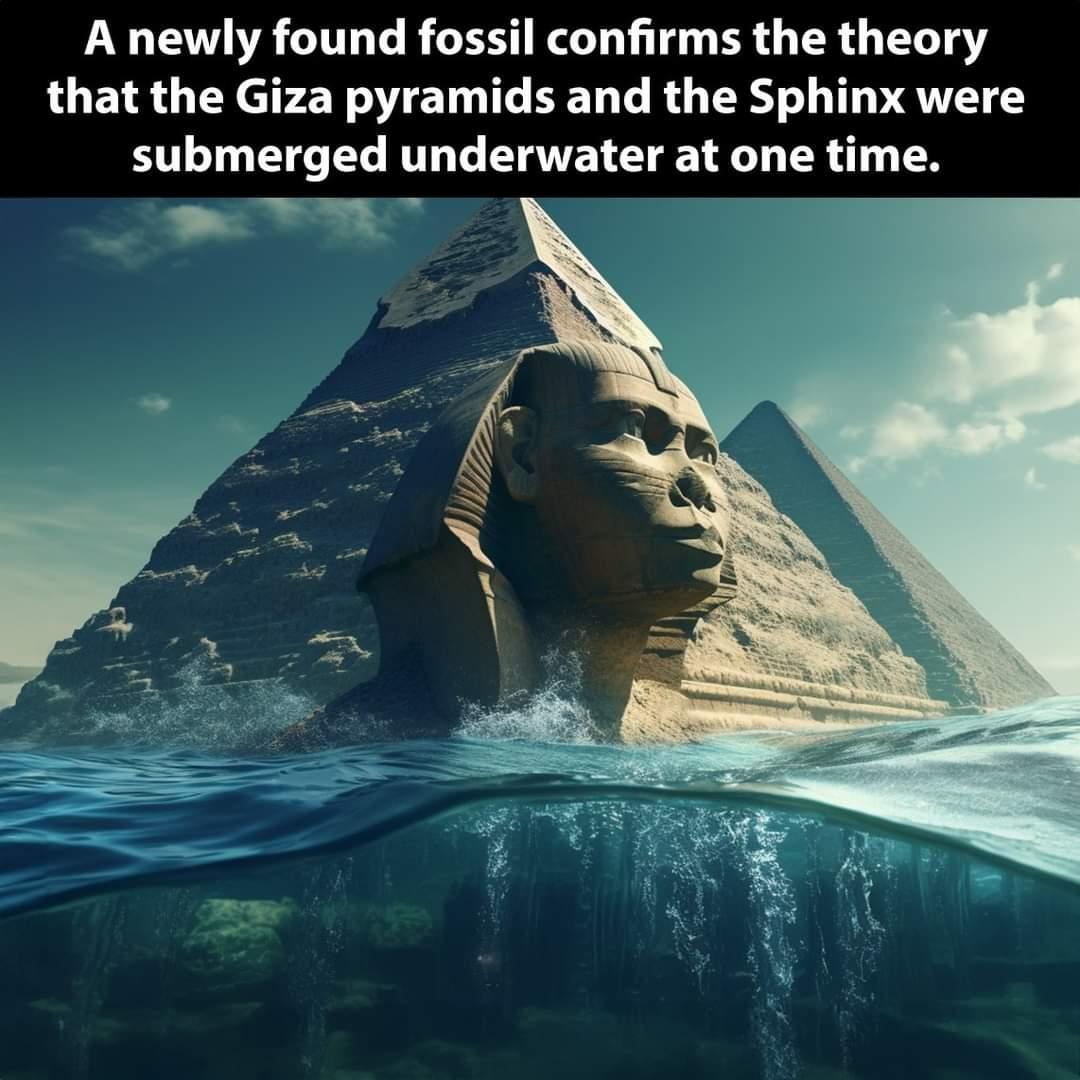
  • The recent unearthing of a sea urchin fossil at the Giza pyramids and Sphinx complex has stirred speculation about ancient human civilizations. Could these renowned structures, marvels of ancient ingenuity, have once been submerged underwater? This long-debated theory has gained new support through a remarkable discovery by archaeologists Sherif El Morsi and Antoine Gigal, who found the fossil within the Giza complex. The physical evidence they uncovered lends weight to the hypothesis that the Sphinx and pyramids were underwater thousands of years ago. This finding echoes the controversial proposition by Dr. Robert M. Schoch in the 1990s, suggesting an ancient origin for these structures, possibly dating back to 5,000 to 9,000 BC. If this hypothesis holds true, it could significantly alter our perceptions of ancient Egyptian history.

    The recent unearthing of a sea urchin fossil at the Giza pyramids and Sphinx complex has stirred speculation about ancient human civilizations. Could these renowned structures, marvels of ancient ingenuity, have once been submerged underwater? This long-debated theory has gained new support through a remarkable discovery by archaeologists Sherif El Morsi and Antoine Gigal, who found the fossil within the Giza complex. The physical evidence they uncovered lends weight to the hypothesis that the Sphinx and pyramids were underwater thousands of years ago. This finding echoes the controversial proposition by Dr. Robert M. Schoch in the 1990s, suggesting an ancient origin for these structures, possibly dating back to 5,000 to 9,000 BC. If this hypothesis holds true, it could significantly alter our perceptions of ancient Egyptian history.

    Great
    1
    0 Reacties 0 Deelde 1K Gezien
  • 0 Reacties 0 Deelde 760 Gezien
FriendHyve https://friendhyve.com